7 Roof Problems That Become Expensive When Homeowners Wait Until Winter
Spot seven roof problems before winter—from loose shingles to flashing leaks—and learn when to schedule a roofing inspection in Chattanooga.
October 19, 2026
Stephen Igwebuike
7 Roof Problems That Become Expensive When Homeowners Wait Until Winter
Small roof defects can become larger repair projects when repeated rain reaches the roof deck, attic insulation or wall cavities. Fall is a useful time to investigate warning signs, especially around Chattanooga and nearby Tennessee communities where wet weather can expose drainage and flashing problems. The goal is not to assume every stain requires a new roof; it is to locate the source before hidden materials deteriorate.
These seven conditions warrant attention before winter. Most are best assessed from the ground, a window, or a safely accessible interior location rather than by climbing onto a roof.
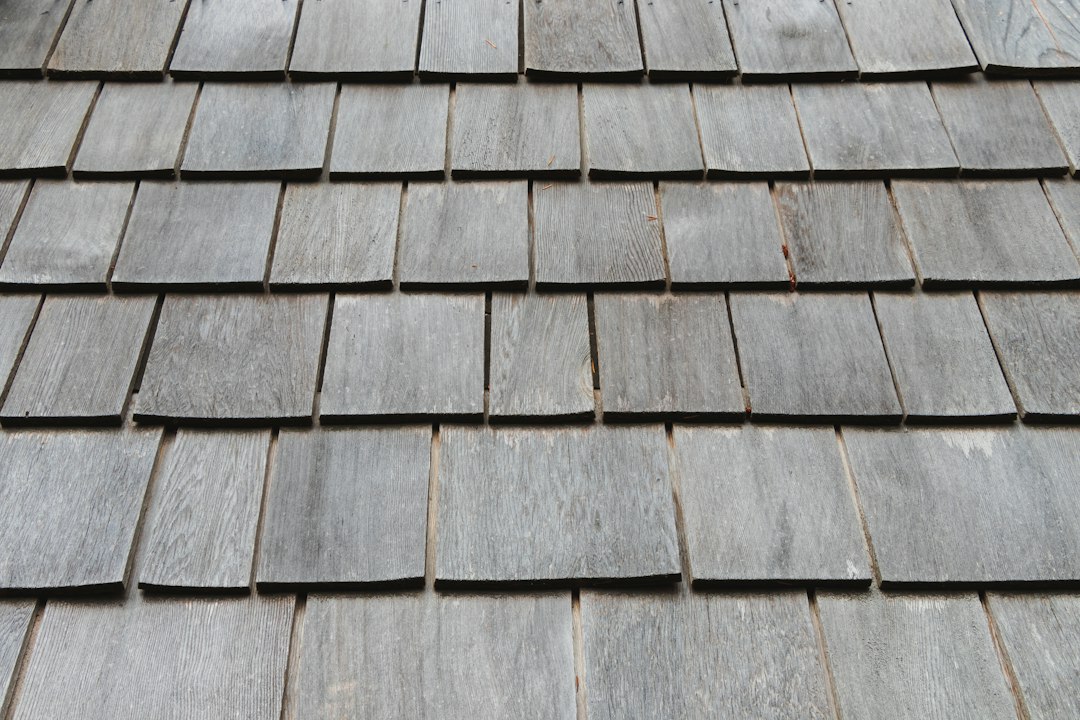
Illustrative photograph: Greg Rosenke / Unsplash.
Quick answer: Inspect the roof's water-shedding surfaces, flashing, attic conditions and drainage before the next prolonged wet period. Small defects are often more manageable when identified early, but only an on-site evaluation can establish an appropriate repair.
1. Loose, missing or lifted shingles
Shingles do more than provide color and texture: they shed water down overlapping courses toward the gutters. Wind-lifted tabs, creased shingles and bare patches can interrupt that drainage. A roof may still appear largely intact from the street while a small section near a ridge, edge or valley is no longer secured.
What to check: After windy weather, photograph any displaced material you can see safely from the ground. Look for fresh pieces in the yard or granules accumulating at downspouts, but remember that granules alone do not establish that replacement is necessary. Ask about the age and condition of surrounding shingles; a localized roof repair may be appropriate when the rest of the system remains serviceable.
2. Flashing that has separated around chimneys, vents or walls
Many frustrating roof leaks originate at intersections, not in the broad field of shingles. Chimney flashing, plumbing-vent boots and wall-to-roof transitions rely on correctly layered metal or approved flashing components to direct water outward. Split vent collars, lifted counterflashing or poorly terminated step flashing can allow water to travel behind finished surfaces.
What to check: Note whether dampness appears after wind-driven rain and whether the stain sits near a chimney chase, bathroom vent or upper wall. Ask a roofer to examine the full flashing assembly, not merely apply surface caulk. Where a roof meets siding, proper kickout flashing can also matter for protecting the wall below.
3. Dark stains, damp insulation or weakened roof decking
An attic stain may be the visible end of a longer moisture pathway. Water entering at one point can run along rafters before dripping onto insulation or drywall elsewhere. Wet insulation loses performance, and persistently damp wood may soften or decay. Because an old stain and an active leak can look similar, the history of the mark matters.
What to check: Record the stain's location and whether it changes after rain. Do not disturb suspicious insulation or step between attic framing members. A professional can evaluate the roof above the affected area and advise whether material needs drying, further investigation or replacement. ENERGY STAR identifies wet insulation and deteriorated attic framing as reasons to consult a professional rather than beginning ordinary attic upgrades.
4. Attic ventilation and condensation problems mistaken for leaks
Not every damp attic starts with water passing through the roof covering. Warm, humid indoor air can escape into a cold attic and condense on surfaces. Bathroom fans exhausting into the attic, blocked soffit vents, disconnected ducts and missing air sealing can all contribute. Moisture left unchecked may affect wood and insulation even if shingles are in good condition.
What to check: Ask whether the staining follows rainfall or temperature changes, and verify that exhaust ducts terminate outside. Inspecting the balance of air sealing, insulation and intended ventilation is different from simply adding another roof vent. Our guide to condensation under roof decking explains why the correct fix depends on the source of moisture.
5. Leaves and debris holding water in roof valleys
A roof valley concentrates runoff from two slopes. Leaves, twigs and sediment can collect where water is supposed to move quickly toward the eaves, particularly beneath overhanging branches. Persistent accumulation keeps roofing material damp and may redirect flow toward vulnerable laps or flashing details during heavy rain.
What to check: From the ground, look for lines of built-up debris and unusually dark, slow-draining areas after rainfall. Avoid pushing debris beneath shingles with a hose or climbing onto a steep or wet roof. A roof inspection can determine whether cleaning alone is sufficient or whether the valley's waterproofing details require repair.
6. Exposed nails, deteriorated sealant or loosened roof accessories
Fasteners and sealants are small components with important jobs. A backed-out nail can raise a shingle or expose a penetration; cracked sealant around a rooftop accessory may signal a joint that was never meant to rely on a bead of caulk alone. Satellite mounts and older roof attachments can create additional paths for moisture if not properly flashed.
What to check: Photograph visible raised fasteners or damaged accessories and avoid hammering them back into place yourself. The correct repair may involve replacing a damaged shingle, correcting fastening, or rebuilding a flashing detail. Simply sealing over a defect can conceal the opening without restoring the intended water-shedding assembly.
7. Gutter or fascia defects sending water behind the roof edge
A roof's job does not end at the eave. Overflowing gutters, missing end caps, detached hangers and damaged fascia can allow water to saturate the wood supporting the edge or spill against siding. In repeated rain, homeowners may discover interior staining and assume it began higher up the roof when the problem is actually near the gutter line.
What to check: During rainfall, safely observe where water leaves the roof and whether it flows behind the gutter. Look for stained fascia or a gutter pulling away from the house. If these symptoms are present, request an evaluation of both the roofing edge and gutter repair needs so one fix does not leave the other problem unresolved.
When should a roof problem be treated as urgent?
Active indoor dripping, a visibly displaced large roof section, sagging roof framing or a leak near electrical equipment warrants prompt attention. Keep people clear of unsafe areas; if water is near wiring or fixtures, follow electrical-safety guidance and contact an appropriate professional. For non-emergency signs, take dated photos and request a targeted assessment before more wet weather.
Can a damaged area be repaired without replacing the whole roof?
Often, but not always. Repair suitability depends on roof age, material condition, leak extent, underlying deck damage and whether matching components can be installed correctly. A responsible estimate explains the observed defect, options, limitations and reason for any recommended roof replacement.
Schedule an assessment
If you have spotted one of these warning signs, request a roof inspection from Hip and Valley Roofing and share photographs and the location of any interior stains. Ask for a clear diagnosis and a scope of work rather than choosing repairs solely on price.
Complete the form below to start your roofing or exterior quote.
Related Roofing & Exterior Resources
Continue Your Research
Use these related service and location pages to move from general homeowner guidance to the specific Hip and Valley solutions available in Chattanooga and surrounding communities.