7 Fall Roofing Maintenance Mistakes That Can Lead to Water Damage
Avoid seven fall roof maintenance mistakes that can lead to leaks, clogged gutters and moisture damage. Practical homeowner tips and inspection guidance.
October 23, 2026
Stephen Igwebuike
7 Fall Roofing Maintenance Mistakes That Can Lead to Water Damage
Fall roofing maintenance is not just a matter of clearing a few leaves. The bigger risk is using shortcuts that leave drainage defects, flashing leaks or attic moisture unnoticed. Many homeowners can identify warning signs safely; repairs at height, however, are better left to qualified crews.
For properties around Chattanooga and the surrounding communities, the following mistakes are worth correcting before a run of wet weather turns a small maintenance issue into an interior repair.
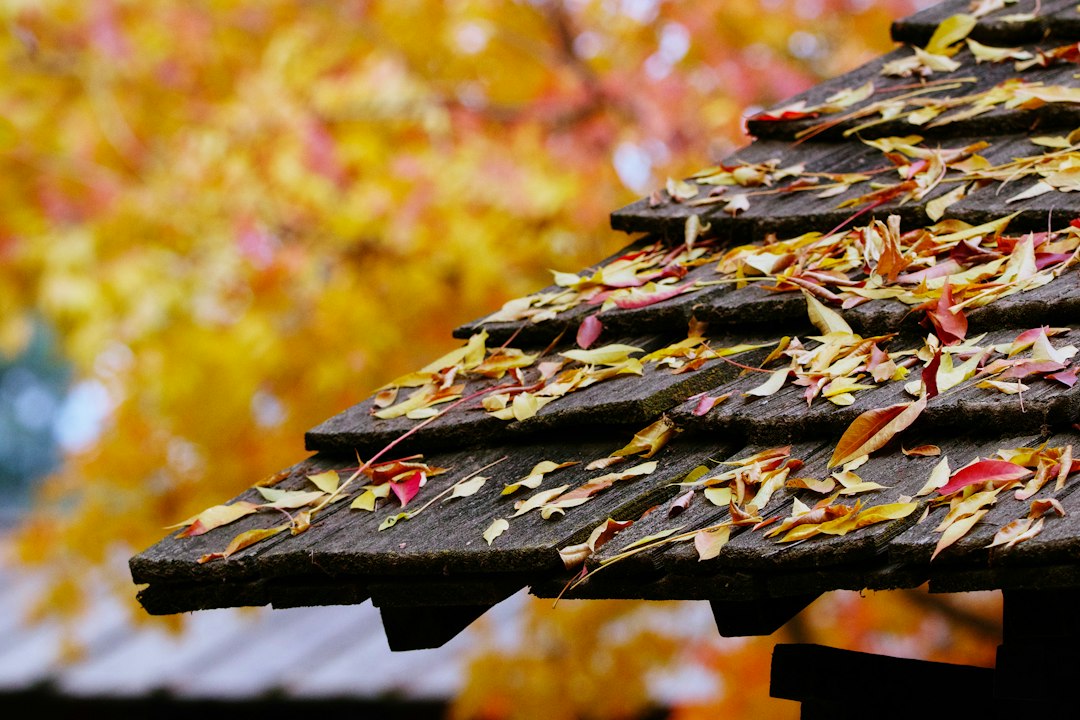
Illustrative photograph: James Lee / Unsplash.
Quick answer: Inspect the roof's water-shedding surfaces, flashing, attic conditions and drainage before the next prolonged wet period. Small defects are often more manageable when identified early, but only an on-site evaluation can establish an appropriate repair.
1. Cleaning gutters too early and assuming the job is finished
Clearing gutters at the first sign of falling leaves may seem efficient, but trees often shed in stages. A gutter cleaned early in the season can be full again before the next heavy rainfall. Water may overflow at corners and collect near the siding or foundation instead of moving through downspouts.
A better approach: Check gutters after the bulk of leaves have fallen and after significant storms, especially near overhanging trees. Observe the system from a safe position while it rains. Repeated overflow despite clean gutters may point to poor slope, inadequate capacity or a blockage farther down the drain line—not simply another pile of leaves.
2. Ignoring where downspouts empty
A clean gutter can still deliver water to the wrong place. Missing splash blocks, disconnected elbows or downspouts discharging directly beside the foundation can saturate soil near the house. Water may enter a basement or crawl space, erode landscaping or increase dampness at the building edge.
A better approach: Follow the flow from roof to downspout outlet. Look for standing water, erosion channels and pooling next to exterior walls. The remedy varies by grading and site conditions; check whether a downspout repair or replacement is needed and whether drainage should be redirected farther away without creating a problem for neighboring property.
3. Pressure-washing asphalt shingles to remove stains
Black streaks or moss can make a roof look older than it is, tempting homeowners to blast the surface clean. High-pressure washing can dislodge protective granules, lift vulnerable shingle edges or force water beneath courses. Cleaning chemicals are another concern because they may damage adjacent surfaces if improperly applied.
A better approach: Identify the growth or discoloration before choosing a treatment. Use methods appropriate for the roofing manufacturer's instructions and have a professional assess brittle or already-damaged shingles. See our guide on pressure washing and asphalt-shingle damage before considering any aggressive cleaning method.
4. Climbing onto a wet roof to make a quick fix
A slick shingle, steep pitch or hidden soft spot can turn a simple maintenance job into a serious fall hazard. Improvised ladders, loose footwear and leaning across gutters compound the danger. Even a one-story home can have complicated roof edges and obstacles.
A better approach: Do visual checks from the ground with binoculars or photos from a safe location. Keep ladders away from power lines and do not treat a leak as permission to walk on a wet roof. A professional roof inspection is the safer way to evaluate high or inaccessible areas. Do not delay urgent interior-water safety measures while waiting for a roof assessment.
5. Covering a stain with paint or sealant before tracing the water source
Painting over ceiling discoloration can make a room look finished without stopping the leak. Likewise, smearing roof cement across a visible seam may trap moisture or interfere with a proper flashing repair. Because water can travel inside framing cavities, the drip point is not always directly beneath the defect.
A better approach: Note where and when moisture appears, including whether it follows wind-driven rain or prolonged steady rainfall. Photograph the stain before it is covered. Have the roof and any nearby plumbing or HVAC components investigated as appropriate. Fix the source, dry affected materials and then restore finishes—not the reverse.
6. Leaving branches rubbing the roof or filling valleys
Low tree limbs can rub protective surfaces in wind, deposit leaves into valleys and shade spots that remain damp. A branch overhanging a roof is not automatically causing damage, but contact marks, heavy debris and blocked drainage paths are reasons to act.
A better approach: Watch for roof contact during windy conditions and note where debris repeatedly collects. Hire qualified tree professionals for risky pruning near structures or electrical lines. After trimming, inspect the valley and flashing for accumulated debris and wear; pruning alone will not repair damaged roof materials.
7. Assuming attic discoloration must be old rain damage
Attic dampness can come from roof penetration leaks, but also from moist household air, disconnected exhaust ducts and blocked ventilation. If homeowners assume every stain is a past roof problem, an active ventilation issue can continue unnoticed through the colder months.
A better approach: Check whether bathroom and dryer exhausts vent outdoors, watch for recurring condensation and investigate wet insulation or darkened roof framing. ENERGY STAR flags these conditions as reasons to obtain professional help before attic upgrades. Our explanation of underside roof condensation provides a starting point for distinguishing possible causes.
What should homeowners prioritize first?
Start with anything suggesting active water entry or unsafe structure, then work through drainage routes, visible roofing material damage and attic moisture indicators. Keep maintenance photos with dates: they help a contractor compare conditions and explain recommendations. Do not assume every gutter overflow requires a roof replacement.
How often should you check your roof in fall?
There is no universal schedule for every property. Check after notable storms and during leaf fall where tree cover is heavy; make professional inspections more frequent when the roof has known defects, recent damage or difficult-to-see areas.
Talk to Hip and Valley Roofing
For persistent gutter overflow, missing shingles or signs of moisture, start with a roof assessment and discuss whether localized roof repair or drainage work is justified. A diagnosis should come before a sales recommendation.
Complete the form below to start your roofing or exterior quote.
Related Roofing & Exterior Resources
Continue Your Research
Use these related service and location pages to move from general homeowner guidance to the specific Hip and Valley solutions available in Chattanooga and surrounding communities.