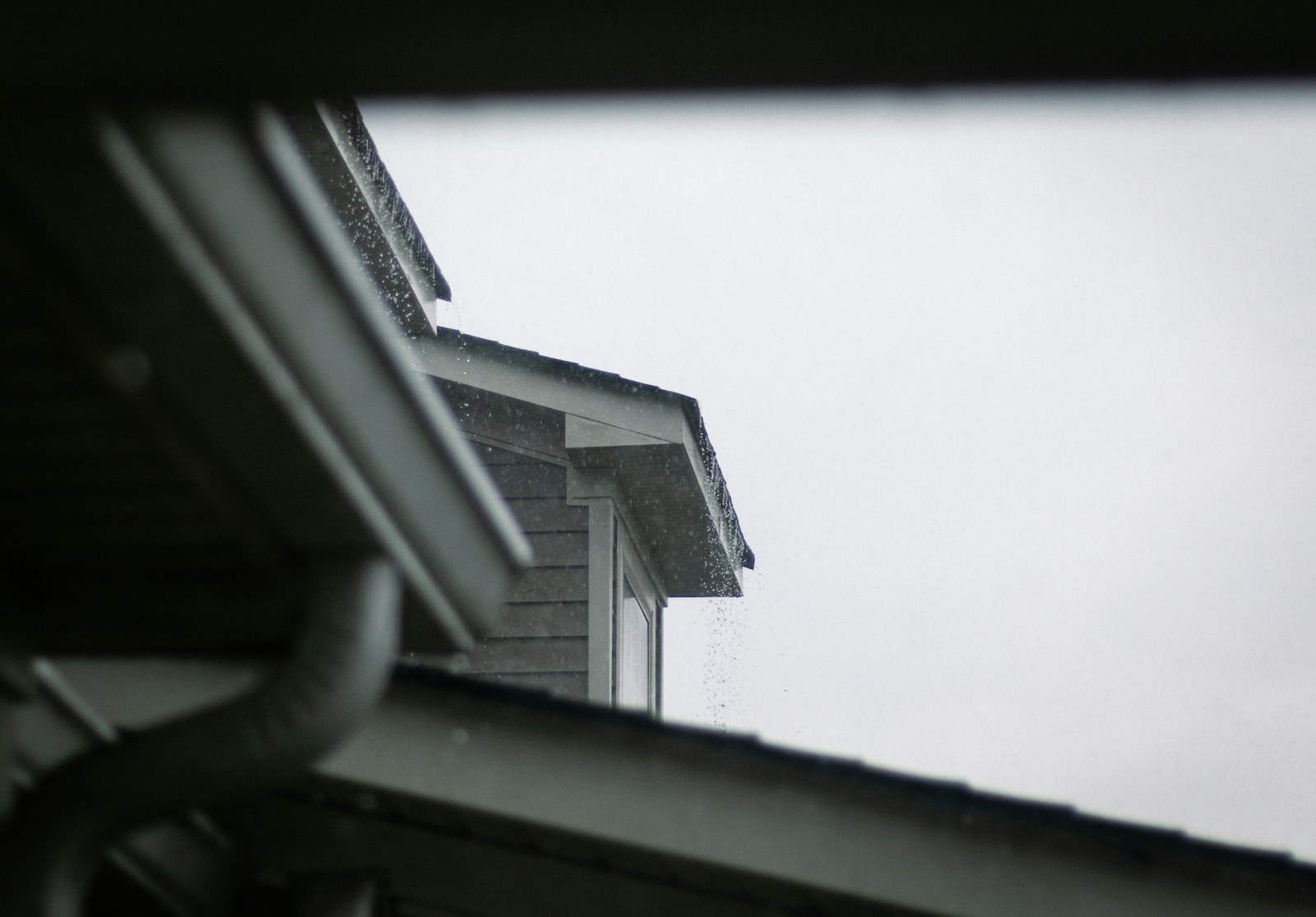
7 Signs Your Gutters Need Repair After Cleaning
You cleared the leaves, but water still pours over the edge when it rains. That is a useful clue. Debris is only one reason a gutter system fails to move water away from a house. The trough, hangers, seams, downspouts, and roof edge all have to work together.
Observe from a safe place on the ground and note where water travels. Do not lean from a ladder during rain. These seven signs can help you decide when to ask for gutter repair rather than another cleaning.
1. Overflow continues at the same spot
If the trough and downspout are clear but water spills over one section, the gutter may be pitched incorrectly, undersized for the flow at that point, or receiving water in an unexpected way. A remaining blockage in an outlet or underground extension is also possible.
Take a short note about which section overflows and whether it happens in light rain or only a downpour. A contractor can check flow and the whole drainage route before recommending a repair.
2. Water sits in the gutter well after the rain
A little residual moisture does not prove a defect. A visible pool that remains in a low section after debris is removed can point to poor slope or a sagging run. Standing water also makes new debris more likely to collect there.
Ask for the pitch and support of that run to be checked. Cleaning the same low spot repeatedly will not correct its shape.
3. The gutter sags or pulls away from the fascia
A gap between the gutter and the house, tilted sections, or loose hangers can keep water from entering the trough as intended. The supporting fascia may also need attention if it is soft or damaged.
This is a repair question for both attachment and the underlying wood. Simply pushing a loose run back into place may not solve why it moved.
4. Water runs behind the gutter
Streaks on fascia or a wet soffit can mean water is traveling behind the trough instead of into it. The problem may involve gutter placement, roof-edge details, or deteriorated material. From the ground, you can record the pattern without guessing which component failed.
Ask the contractor to inspect the roof edge and gutter together. A new bead of sealant on a visible seam will not fix water entering from above and behind it.
5. A seam or end cap drips consistently
If a specific joint drips when the gutter is carrying water, the seam or end cap may need repair. Repeated leaks in many joints can change the economics of patching. The condition of the surrounding gutter matters as much as the drip itself.
Mark the location from the ground and ask what repair is proposed, how long it is expected to last, and whether the metal or other material remains sound.
6. A downspout is loose, disconnected, or empties in the wrong place
Even a clean gutter can send water where you do not want it if the downspout separates or discharges close to the house. Look for a loose connection, a splash pattern on the wall, or pooling near the foundation after rain.
The fix may be a connection, an extension, or a broader drainage adjustment. If water is entering a basement or crawlspace, mention that when requesting service so the downstream problem is considered.
7. Cracks, holes, rust-through, or repeated damage span several sections
An isolated sound section with one failed joint may be repairable. Widespread openings, corrosion, or sections that no longer hold their shape can make replacement more sensible. You need an assessment of how much of the system is affected, not an automatic recommendation to replace every run.
Ask for a scope that identifies which sections can be repaired and which, if any, need replacement.
Get a diagnosis that follows the water
If you are in the Chattanooga area and your gutters still overflow after cleaning, contact Hip and Valley Roofing about gutter repair. Tell us what still happens after cleaning, where it happens, and where the runoff ends up. Photos taken safely from the ground can help us understand the symptom before a visit.
Quick answers
Does overflowing always mean the gutters need replacing? No. A blockage, slope problem, loose attachment, or downspout issue may call for a narrower fix. The condition and layout of the system determine the scope.
When should I call after cleaning? If the same section still overflows, holds water, leaks at a joint, or sends water behind the gutter, have the system assessed before repeated wetting causes more damage.