8 Questions Homeowners Should Ask Before Hiring a Roofing Contractor
Eight practical questions for comparing roofers: credentials, project scope, materials, crews, warranties, payment terms and documentation.
October 31, 2026
Stephen Igwebuike
8 Questions Homeowners Should Ask Before Hiring a Roofing Contractor
Choosing a roofing contractor should be a comparison of scope, accountability and documentation—not just the lowest price. A $2,000 difference between bids may reflect different flashing work, materials, access requirements or exclusions. The questions below help homeowners evaluate those differences without assuming any particular company is automatically the best choice.
These hiring questions apply to roof repair and replacement around Chattanooga, Cleveland, Ooltewah and nearby markets. License and permit obligations vary by jurisdiction, so verify requirements for your project rather than relying on generic national checklists.
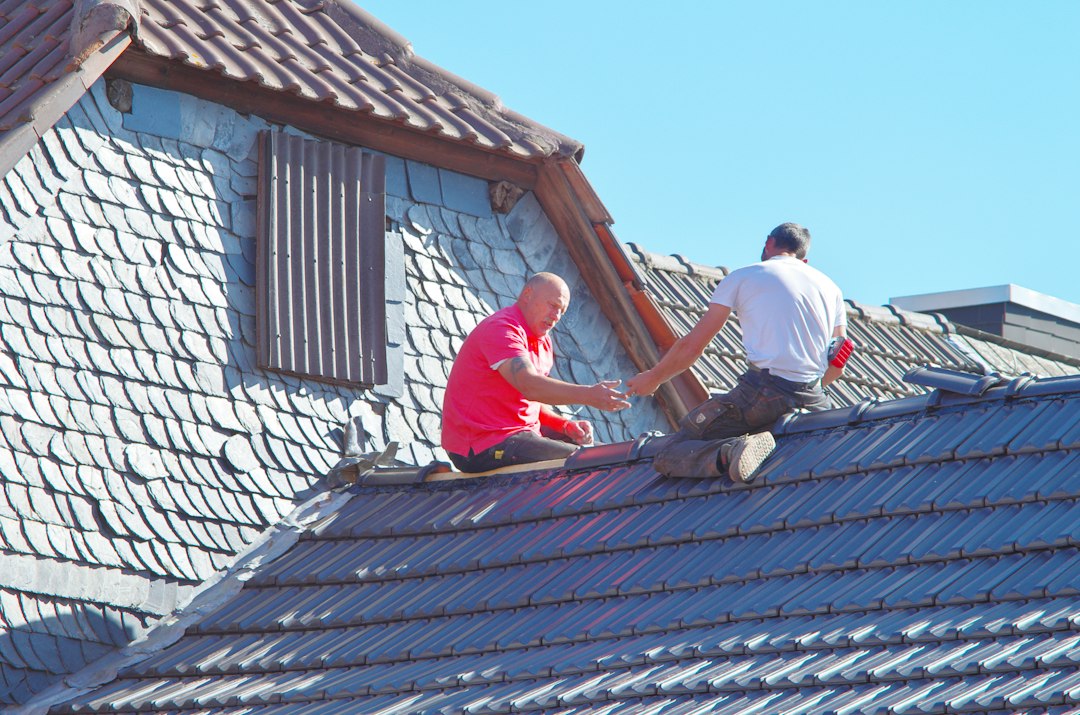
Illustrative photo: Immo Wegmann / Unsplash
1. Are you properly registered or licensed for this project, and can I verify insurance?
Credential requirements depend on the state, locality and type or value of the work. Ask for the company's legal name, any license or registration number applicable to the job, and current liability and workers' compensation coverage where required. Verify credentials with the relevant authority or insurer rather than relying on a logo in an advertisement.
The FTC specifically recommends checking licenses, insurance and references when choosing a contractor after a weather event. Do not assume that a general statement such as “fully insured” tells you which people or activities are covered.
2. Who will inspect the roof, and what will the written scope include?
A useful evaluation describes the roof surfaces, penetrations, flashing, ventilation or drainage issues that matter to the proposed work. Ask who personally inspected the property and whether the estimate accounts for possible hidden deck repairs that may become visible only when old roofing is removed.
For a localized leak, the scope should identify the suspected water-entry detail. For a replacement, ask about the full assembly—not simply a price per square. Our existing guide to reviewing a roof replacement quote covers the line items worth comparing.
3. Which exact materials and installation details are included?
“Architectural shingles” is not a complete specification. Ask for the manufacturer and product line, underlayment, flashing approach, ventilation components and any applicable fastening or slope constraints. Compatibility matters, particularly at valleys, chimneys, skylights and low-slope areas.
Request alternatives only where the contractor can explain a meaningful difference in performance or cost. Avoid judging two bids as equivalent when one leaves out disposal, flashing replacement or deck allowances.
4. Who performs the installation and supervises the job?
Some companies use employees, others use subcontractors and many use both. That arrangement is not inherently good or bad; accountability is the essential point. Ask who supervises workmanship, who answers questions when the project is underway and how concerns reach the responsible decision-maker.
Also ask how the crew will protect landscaping, access the roof safely and keep entrances, vehicles and neighboring areas clear. Do not assume the person who sold the job will be on-site throughout installation.
5. How will you handle unexpected rotten decking or structural concerns?
Many roofing conditions are hidden beneath existing shingles. A contractor should explain the process for documenting damage, obtaining approval for additional work and pricing any unforeseen replacement materials before proceeding, except for safety-related stabilization as agreed.
Ask for photographs, unit prices where possible and written change-order procedures. If the concern involves structural framing rather than sheathing alone, the roofer may need a separate engineering assessment. A transparent change-order policy reduces disputes.
6. What warranties apply—and who actually stands behind them?
Separate the manufacturer's material warranty from the contractor's workmanship commitment. Ask what each covers, which exclusions apply, whether registration is needed and how a homeowner files a claim. Storm damage, improper ventilation or later alterations may affect coverage, so read the actual terms instead of relying on a headline number.
A long duration on paper is not a guarantee of performance. Get product documents and the responsible company's warranty in writing, including any conditions for transfer to a subsequent owner.
7. What is the payment schedule and how are insurance claims handled?
Ask for a clear contract that specifies deposit, progress payments and final payment after the agreed scope is completed. Be cautious about pressure to pay the entire amount upfront or use payment methods that provide little protection. The FTC warns about high-pressure post-storm offers and requests for unusual payment methods.
If insurance is involved, clarify that the insurer determines coverage and the contractor prices and performs construction work. Homeowners should read policy provisions and avoid authorizing anyone to misrepresent damage or waive obligations improperly.
8. Can you provide recent comparable references and a completion plan?
Ask for references from projects similar to yours—repair versus replacement, metal versus asphalt, steep pitch or complicated flashing. Check whether the contractor communicates clearly about timing, weather delays, permits, cleanup and final inspection. Online reviews can add context but are not a substitute for a detailed contract.
Ask how nails and debris will be collected, what documentation you receive at completion and who handles a leak discovered after the crew leaves. An organized closeout makes future maintenance and any warranty claim easier.
What should a homeowner collect before requesting bids?
Prepare the property address, roof age if known, photos of visible defects, information on prior repairs, known leaks and a list of features such as skylights or chimneys. Ask potential contractors to note any areas they could not inspect. Our roof inspection service can help clarify the condition before choosing a repair or replacement scope.
Should you accept the cheapest roofing bid?
Only after confirming that the bids cover comparable work and have comparable exclusions, insurance, materials and warranty terms. The FTC advises homeowners to obtain written estimates, examine contracts and verify credentials. A low bid that omits critical waterproofing details can become costly later.
Ready to discuss a roofing project?
For a clearer diagnosis and scope, explore Hip and Valley Roofing's roof repair and roof replacement services. Ask for the proposed work and contingencies in writing before authorizing the job.
Complete the form below to start your roofing or exterior quote.
Related Roofing & Exterior Resources
Continue Your Research
Use these related service and location pages to move from general homeowner guidance to the specific Hip and Valley solutions available in Chattanooga and surrounding communities.